During these times of change forced by the pandemic, like so many other organisations around the world, BioLiving has also had to adapt. Born out of lockdown at the beginning of 2020, the ‘Biodiversity in Slippers’ project aimed to adapt scientific communication and environmental education to the pandemic context.
It began as a set of challenges and quizzes launched on social media in an informal and interactive way, addressing issues related to biodiversity in Portugal, climate change and sustainability. Over several weeks we interacted with hundreds of people who took part in our challenges.
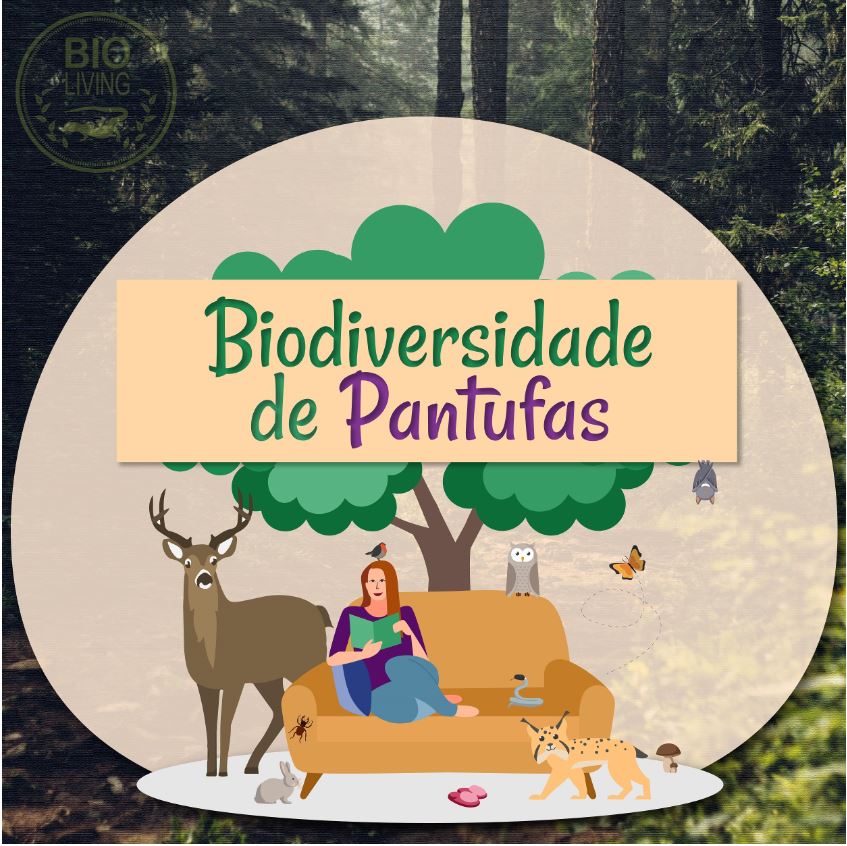
When the new academic year began, BioLiving teamed up with the University of Aveiro's Biology Student Centre (NEB-AAUAv), with whom it has had a partnership for several years, taking this small initiative one step further. In the context in which we live, Biology students have seen their field trips very limited or even cancelled, so we wanted, with ‘Biodiversity in Slippers’ (original name: Biodiversidade em Pantufas), to somehow make up for this gap and encourage them to get to know Portugal's biodiversity, even if only digitally.
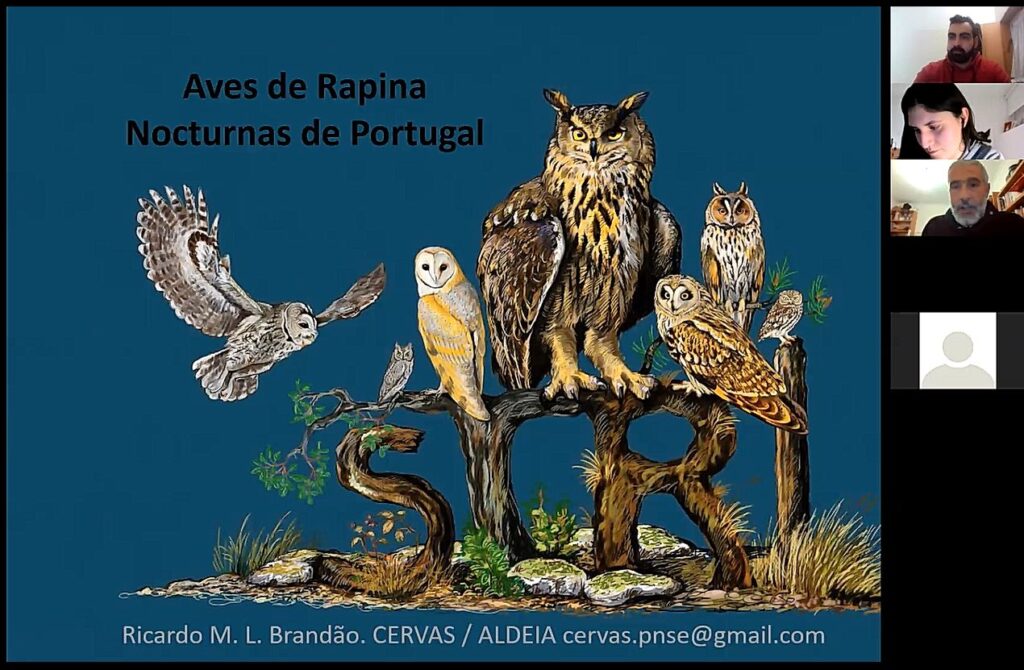
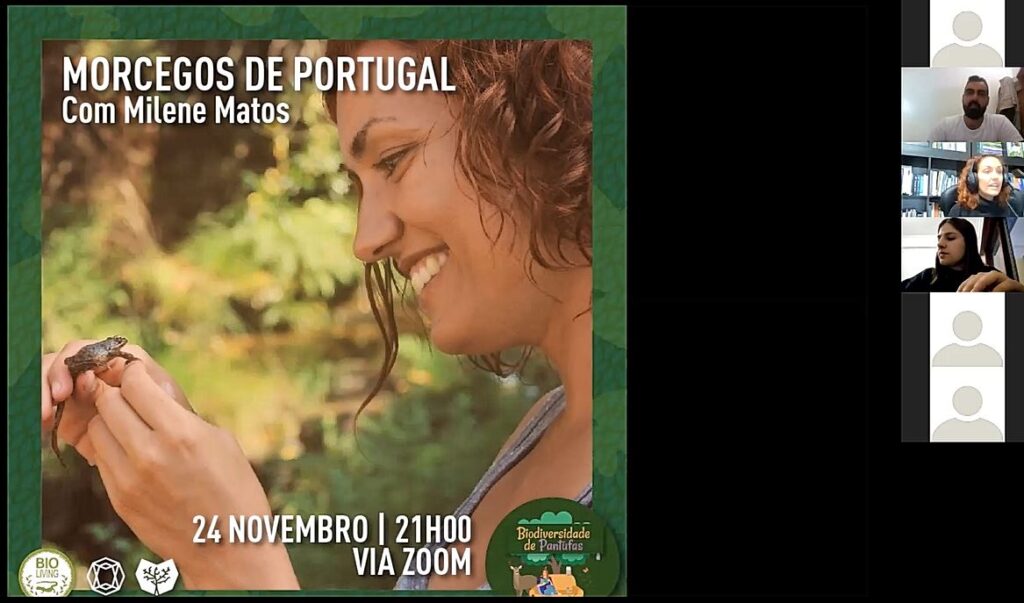
For just over a month, we challenged experts from various scientific fields to hold animal identification workshops, organised into groups such as Amphibians of Portugal, with Sara Ornelas; Bats of Portugal, with Milene Matos; Snakes of Portugal, with Davina Falcão; Night Birds of Prey, with Ricardo Brandão; and Cetaceans of the Portuguese Coast, with Bárbara Matos. The five events were a real success and we had an average of 70 participants per session. The combination of good speakers and interested participants kept the audience glued to the screen, creating a very interesting environment for sharing knowledge and ideas.
What's the difference between being poisonous and being toxic? Did you know that female bats give birth upside down? What are snakes' defence mechanisms when they feel threatened? What are the biggest myths associated with birds of prey? Did you know that cetaceans have also been hunted in Portugal? While the five experts ensured that no one left the lecture without knowing the important aspects of identifying these animals and their role in the natural world, the participants took home lots of trivia.
The participants' comments were also very positive and there is a lot of desire for the project to be repeated next term. One of the participants said that ‘these talks are important for disseminating knowledge, for publicising our biodiversity and its importance, for demystifying wrong stories and facts that often give a negative connotation to animals that, in fact, only contribute to the proper functioning of our ecosystems. (...) I've attended all of them, I would attend again, and i look forward for some more.’
The results of this work show that there is room in us for knowledge of the life that is around us, and represents, for these students, an opportunity to learn more about the biodiversity of their country without giving up their safety - biodiversity that may well be their future object of study. The future of the next Portuguese biologists!
Joana Cardoso Pereira
Sofia Jervis